Modern knowledge workers manage vast streams of information across scattered documents, email threads, and project platforms. Switching between fragmented tools consumes mental energy, creates cognitive clutter, and reduces overall output quality.
Adopting a unified digital environment streamlines daily operations by centralizing smart tools in one accessible hub. Transitioning to a dedicated AI Workspace helps professionals organize research, automate drafting, and maintain complete focus on high-impact objectives.
The Evolution of Personal and Team Productivity
Digital workflows have evolved beyond static text editors and simple task lists. Integrating intelligent processing directly into daily tools creates a proactive system that supports complex decision-making.
Eliminating Context Switching and App Fatigue
Constantly toggling between browser tabs, notes apps, and messaging platforms fragments concentration. A centralized setup brings context, dynamic drafting tools, and research assistance into a single dashboard.
By keeping related materials within one active screen, professionals reduce context switching, maintain focus, and complete multi-step tasks much faster.
Transforming Raw Data into Actionable Insights
Managing large sets of unstructured text can overwhelm traditional organizational tools. Intelligent hubs digest extensive reports, extract key points, and draft action items in seconds.
- Synthesize lengthy meeting transcripts into structured execution plans.
- Extract core findings from complex industry research papers.
- Map connections across disparate notes without manual categorization.
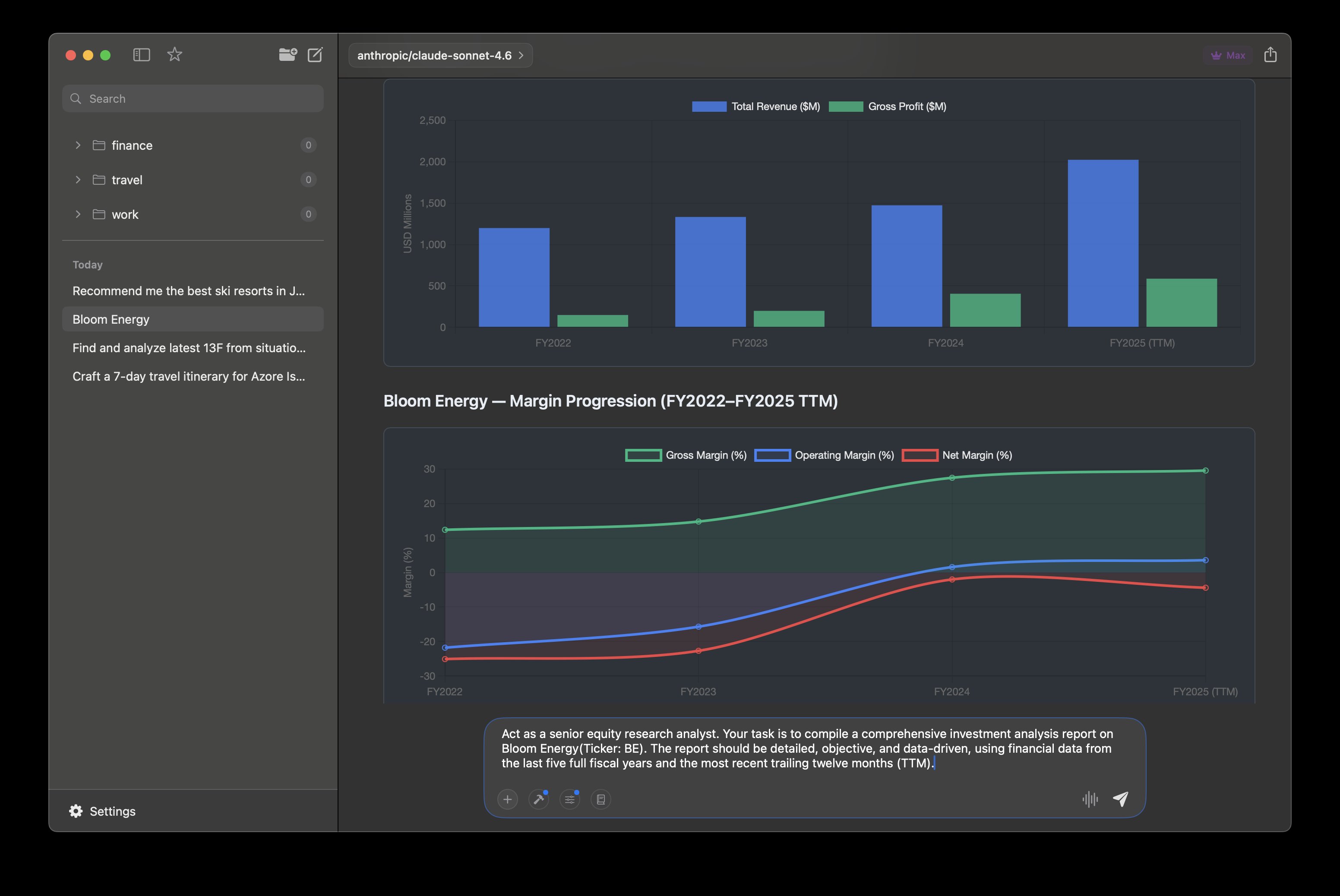
Core Pillars of an Advanced Digital Environment
Building a modern workflow requires flexible tools designed to adapt to diverse technical and creative requirements.
Intelligent Document Creation and Editing
Drafting reports, technical documentation, or client emails requires rapid iteration. Modern editing interfaces go beyond simple spell-check by offering contextual writing support, tone adjustments, and automatic summaries.
Using a comprehensive AI Productivity App enables writers to overcome blank-page block, refine technical explanations, and produce polished documents efficiently.
Knowledge Management and Semantic Search
Traditional folder hierarchies often lead to misplaced files and buried documentation. Next-generation knowledge platforms use semantic search to locate information based on meaning rather than exact keyword matches.
- Contextual Retrieval: Find past project decisions quickly, even if you do not remember the exact file name.
- Linked Knowledge Graphs: Discover hidden connections across old meeting notes, project briefs, and research drafts.
- Automated Tagging: Keep digital workspace structures neat without spending hours manually organizing files.
Best Practices for Integrating Intelligent Workflows
Maximizing the impact of modern workspace software requires clear routines and thoughtful adoption strategies.
Standardizing Prompt Libraries for Team Alignment
Creating standardized prompt templates ensures consistent quality across team communications, code reviews, and project proposals. Storing proven prompts in a shared library saves time and maintains brand tone.
Balancing Automation with Human Expertise
While automated tools accelerate research and initial drafting, human judgment remains essential. Use smart generation for ideation, structure, and initial synthesis, but rely on human oversight for final decision-making and quality control.
Conclusion
Streamlining modern workflows requires moving away from fragmented single-purpose utilities toward unified digital ecosystems. By centralizing knowledge retrieval, document drafting, and task management within an intelligent dashboard, professionals can reduce administrative overhead, protect focus, and achieve consistent quality across all projects.